Velocity-Based Training: Smart Strength Training Through Movement Speed
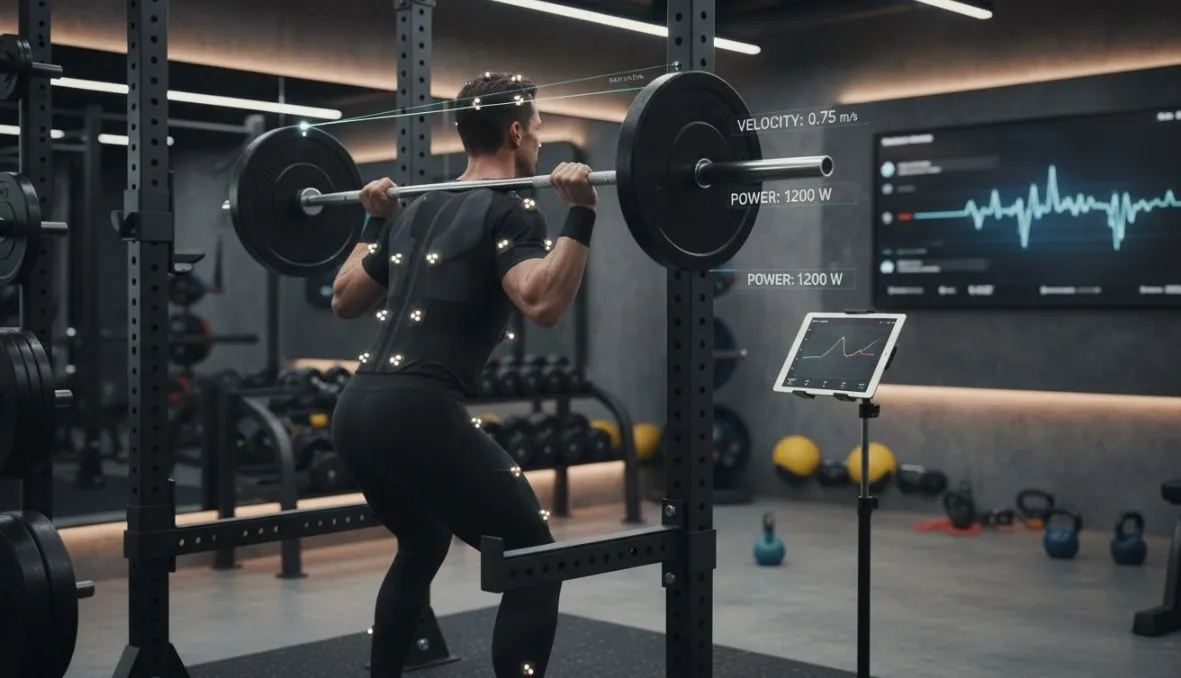
Smart training is not about doing more work. It is about doing the right work at the right moment with measurable intent. One of the most effective approaches to intelligent strength development today is velocity-based training. This method shifts focus away from fixed percentages and rigid plans toward real-time feedback based on how fast an athlete moves a load.
Velocity-based training, often referred to as VBT, is built on a simple but powerful idea: the speed of a lift reflects the athlete’s current readiness and neuromuscular state. By monitoring movement velocity, training intensity becomes adaptive rather than predetermined. This makes VBT one of the most practical smart training systems for strength, power, and long-term performance development.
Why movement speed matters in strength development
Traditional strength training relies heavily on percentages of one-repetition maximum. While this model works in controlled environments, it fails to account for daily fluctuations in fatigue, recovery, and readiness. An athlete may be capable of lifting 80% of their maximum on paper, but physiological state determines how that load is actually handled.
Movement velocity provides immediate insight into this state. When an athlete lifts a given load faster than expected, it indicates high neuromuscular readiness. Slower-than-normal speeds suggest fatigue or insufficient recovery. Velocity-based training uses this information to guide load selection, volume, and session structure in real time.
This approach transforms strength training from static programming into a responsive system.
How velocity-based training works in practice
In velocity-based training, athletes perform lifts while their bar speed is measured using linear position transducers, accelerometers, or camera-based systems. Each repetition produces a velocity value that corresponds to a specific intensity zone.
Instead of prescribing a load based on a percentage, coaches prescribe a target velocity range. The athlete adjusts the weight until movement speed matches the desired zone. This ensures that the intended training stimulus is achieved regardless of daily fluctuations.
Over time, velocity profiles are established for key lifts. These profiles allow precise prediction of relative intensity without testing maximum strength frequently.
Training intent and adaptive load selection
One of the defining features of smart training is clarity of intent. Velocity-based training forces intent into every repetition. A lift performed slowly under fatigue produces a different adaptation than a fast, explosive repetition, even if the load is identical.
Before looking at specific training applications, it is important to highlight the core principles that make velocity-based training effective:
- Load is adjusted based on readiness, not on a fixed plan
- Each repetition has a clear velocity target, reinforcing intent
- Fatigue is monitored in real time, not after the session
- Volume is regulated automatically through velocity loss thresholds
These principles reduce guesswork and make strength sessions more efficient and sustainable.
Velocity loss and fatigue management
A key concept in velocity-based training is velocity loss. As fatigue accumulates during a set, movement speed decreases. By monitoring this decline, coaches can determine when sufficient stimulus has been achieved without excessive fatigue.
For example, a session may be programmed to stop a set once velocity drops by 15–20% from the fastest repetition. This prevents unnecessary volume while preserving movement quality. Over time, this approach improves recovery and reduces injury risk.
Velocity loss thresholds differ depending on training goals. Lower thresholds favor power and speed development, while higher thresholds may be used for hypertrophy or strength endurance.
Comparing velocity zones and training outcomes
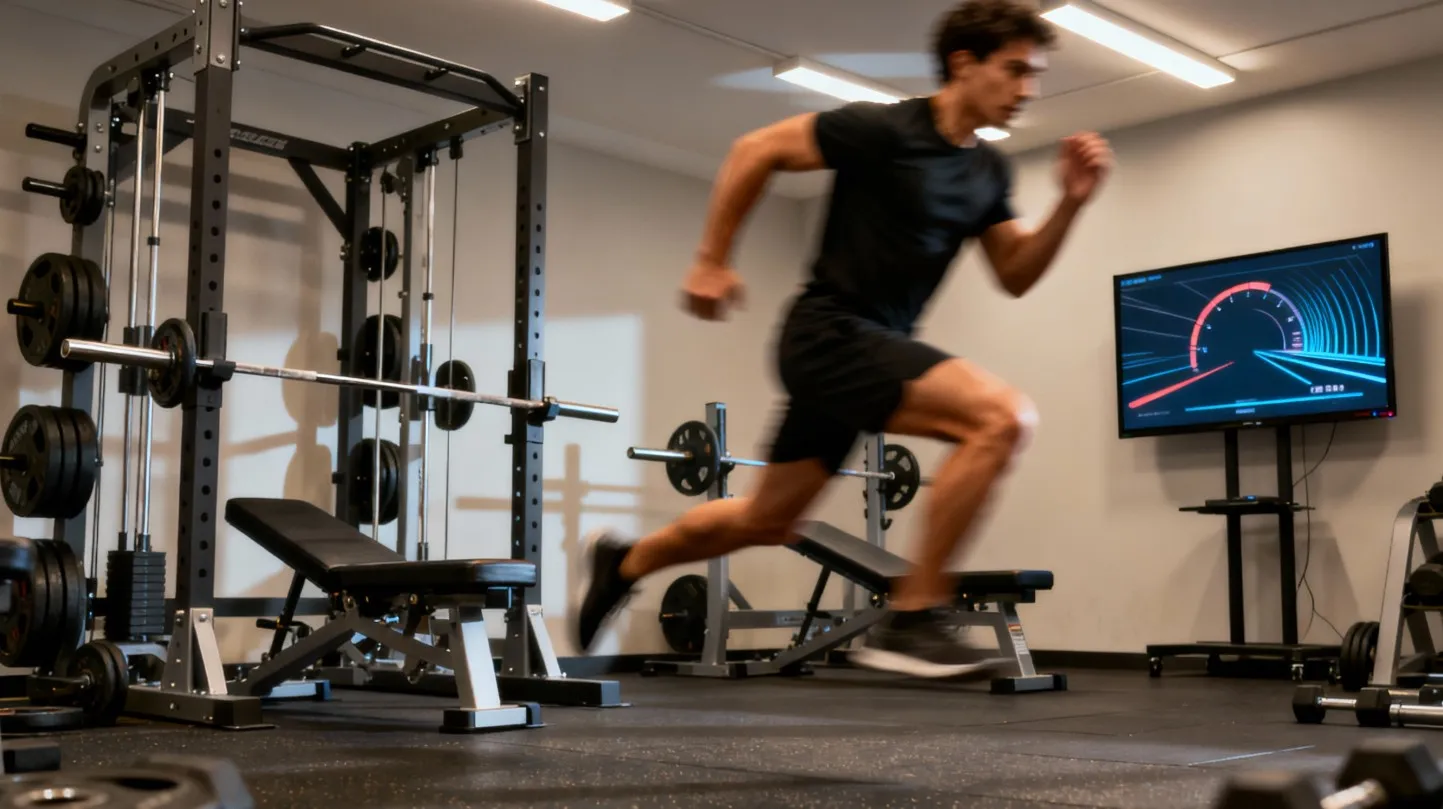
Before reviewing the table below, it is important to understand that velocity zones represent intent rather than absolute difficulty. The same load can fall into different zones depending on the athlete’s condition.
| Velocity Range | Primary Adaptation | Typical Use |
|---|---|---|
| >1.0 m/s | Speed and explosiveness | Power-focused sessions |
| 0.75–1.0 m/s | Strength-speed | Athletic performance |
| 0.5–0.75 m/s | Maximum strength | Core strength work |
| <0.5 m/s | Strength endurance | Controlled fatigue blocks |
This framework allows coaches and athletes to target specific qualities with high precision, making training outcomes more predictable.
Advantages over percentage-based programming
Velocity-based training offers several advantages compared to traditional percentage-based methods. First, it eliminates the need for frequent max testing, which can be disruptive and fatiguing. Second, it adapts automatically to daily readiness, reducing the risk of undertraining or overtraining.
Additionally, VBT improves technical consistency. Because athletes receive immediate feedback on movement speed, they learn to apply force efficiently rather than simply completing repetitions. This has strong transfer to sport-specific performance.
Perhaps most importantly, velocity-based training aligns well with long-term development. It prioritizes quality over quantity, which supports sustainable progress across seasons.
Applications beyond elite sport
While velocity-based training is widely used in professional sport, it is not limited to elite athletes. Recreational lifters, team sport players, and even rehabilitation settings benefit from its principles.
Smart training does not require maximal loads to be effective. Even moderate resistance can produce meaningful adaptation when intent and velocity are controlled. This makes VBT particularly useful in environments where recovery capacity is limited.
As technology becomes more accessible, velocity-based approaches continue to expand beyond high-performance facilities.
Integrating velocity-based training into a program
Effective integration of VBT requires clear objectives. It works best when used to guide intensity and volume guidance rather than replace all programming structure. Many coaches combine velocity targets with traditional periodization models to maintain long-term planning.
The key is consistency. Velocity data becomes more valuable over time as patterns emerge. Athletes learn to interpret feedback, improving self-regulation and training awareness.
Smart training is not about constant adjustment, but informed adjustment.
Long-term impact on performance and durability
Athletes who train with velocity awareness often demonstrate better movement quality, reduced injury incidence, and more stable progress. By avoiding unnecessary fatigue and emphasizing intent, training becomes more efficient.
Velocity-based training also supports psychological engagement. Athletes receive immediate, objective feedback, which reinforces motivation and accountability. Each session becomes purposeful rather than routine.
Over the long term, this approach aligns physical development with cognitive awareness, a defining characteristic of smart training systems.
Conclusion
Velocity-based training represents a practical and effective form of smart training. By using movement speed as a guiding metric, it bridges the gap between planning and reality. Instead of forcing the body to match a program, the program adapts to the body.
This shift improves performance quality, reduces fatigue-related setbacks, and enhances long-term sustainability. In modern strength development, smart training is not about complexity — it is about responsiveness. Velocity-based training delivers exactly that.


