How Neuroplasticity Helps Athletes Improve Skills Faster
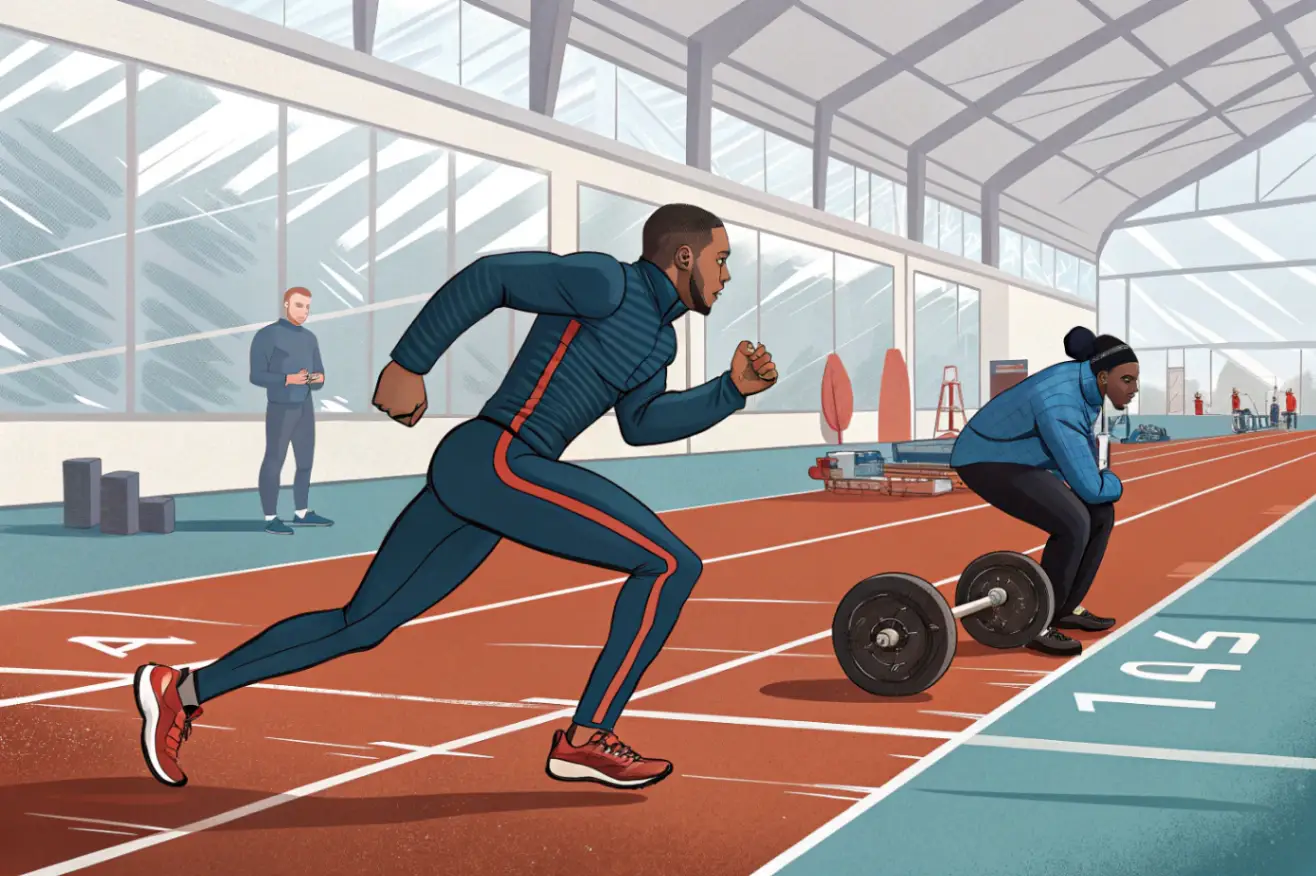
Neuroplasticity has become one of the most influential scientific concepts in modern athletic training. It explains how the brain reorganizes itself by forming new neural connections, allowing athletes to refine movements, upgrade decision-making, and recover from performance plateaus faster than ever before. Understanding how neuroplastic mechanisms work provides coaches and players with practical tools to accelerate progress in any sport.
This article explores the science behind neuroplasticity, its role in motor learning, and how athletes can strategically apply it to improve skills at a rapid pace.
The Science Behind Neuroplasticity in Athletic Performance
Neuroplasticity refers to the brain’s ability to adapt and rewire in response to experiences, challenges, and training stimuli. In sports, this means that every repetition, every adjustment, and every moment of focus physically reshapes motor circuits. As neuroscientists continue to study athletic performance, they consistently highlight concepts such as long-term potentiation, synaptic pruning, and myelination, all essential for skill development.
Key Neural Mechanisms That Support Skill Refinement
When an athlete practices a movement—whether it’s a tennis serve, a basketball dribble, or a football passing sequence—specific neural pathways are activated. With repeated use, these pathways become stronger and more efficient. This process is known as long-term potentiation, where synapses strengthen through consistent activation. At the same time, unnecessary or inefficient connections weaken through synaptic pruning, leaving only the fastest and most accurate pathways intact.
Myelination plays a equally crucial role. Myelin acts as insulation around nerve fibers, increasing conduction speed. More myelin means faster reaction times, greater coordination, and smoother execution of complex plays. Thanks to neuroplasticity, targeted training can enhance these neural adaptations, leading to measurable improvements in performance.
How Neuroplasticity Accelerates Motor Learning in Sports
Motor learning depends on the brain’s ability to encode precise movement patterns. Neuroplasticity allows the brain to integrate sensory feedback, error correction, and predictive modeling into each repetition. This is why deliberate practice—focused, effortful, feedback-driven training—produces far better results than casual repetition.
Why Repetition Alone Is Not Enough
Although repetition builds familiarity, neuroplasticity is triggered most powerfully when practice pushes an athlete slightly outside their comfort zone. Training that demands adaptation, such as variable drills, reactive environments, and skill combinations, creates more robust neural networks. Decision-making also becomes faster as the brain builds predictive models based on past patterns, a key advantage in fast-paced sports like hockey, football, and basketball.
Around the midpoint of this learning process, athletes benefit from integrating structured mental engagement strategies. To highlight the most impactful neuroplastic training enhancements, consider the following elements that research shows significantly boost motor learning. Below is the required single list, embedded naturally in context:
Before implementing advanced drills, athletes should prioritize these neuroplasticity-boosting components that make training more efficient:
- Focused attention that deepens neural encoding during complex movements.
- Challenge-based drills that require athletes to adapt rather than repeat.
- Immediate, specific feedback that helps refine neural pathways.
- Mental visualization that activates the same circuits used during execution.
- Consistent sleep and recovery, which support synaptic consolidation.
After integrating these components, athletes typically notice quicker improvements in precision, timing, and game awareness. By combining physical and cognitive training, the brain develops more versatile and resilient motor networks that hold up under competitive pressure.
Applying Neuroplastic Principles to Everyday Training
Once athletes understand how the brain adapts, they can adjust their training sessions to maximize neural growth. The most effective approach is to intertwine technique refinement, cognitive engagement, and controlled variability. For example, instead of repeating the same shot or movement, athletes can modify angles, timing, or intensity. These small variations force the brain to recalibrate, strengthening the underlying motor maps.
Athletes also benefit from incorporating short learning cycles. Research indicates that 20–40 minutes of highly focused practice produces better neuroplastic changes than long, unfocused sessions. This is why elite athletes often divide training into segments that target specific skills while maintaining mental freshness.
To illustrate how different neuroplastic processes contribute to athletic improvement, here is a table with an introduction and follow-up explanation. This table highlights the role of key brain functions in skill development:
Before comparing neuroplastic elements, it is helpful to understand how each contributes uniquely to performance improvement. The following table outlines these functions clearly:
| Neural Mechanism | Role in Skill Development | Impact on Athletes |
|---|---|---|
| Long-Term Potentiation | Strengthens repeated neural pathways | Faster, more consistent execution |
| Synaptic Pruning | Removes weak or unused connections | Increased precision and efficiency |
| Myelination | Speeds neural transmission | Better reaction time and coordination |
| Sensory Integration | Combines visual, auditory, and tactile cues | Improved decision-making under pressure |
| Predictive Modeling | Anticipates movement outcomes | Enhanced tactical awareness |
Understanding these mechanisms allows athletes and coaches to design more intelligent training systems. For example, sports requiring rapid perception—like volleyball or fencing—benefit heavily from sensory integration drills, while sports demanding explosive coordination thrive on myelination-intensive practice.
Enhancing Mental Resilience Through Neuroplastic Adaptation
Neuroplasticity doesn’t only enhance physical skills; it also helps athletes build psychological resilience. Mental toughness, emotional regulation, and focus are all shaped by neural circuits that can be strengthened through intentional practice. Techniques such as mindfulness, breathing exercises, and cognitive reframing reshape emotional pathways, making athletes more capable of handling stress during high-stakes moments.
Cognitive Techniques That Build Resilient Performance Patterns
Psychological training aligned with neuroplastic principles reinforces the brain’s capacity to adapt. Mindfulness, for instance, increases prefrontal cortex activity, improving decision-making and reducing performance anxiety. Visualization activates the motor cortex even in the absence of physical movement, giving athletes the advantage of additional practice without physical fatigue.
These mental tools complement physical drills by stabilizing the brain’s response to pressure. Athletes who use both physical and mental methods experience more consistent performance, quicker recovery from errors, and stronger long-term motivation.
Creating Long-Term Skill Mastery Through Neuroplastic Training
Skill mastery relies on long-term consolidation, where repeated training produces permanent changes in the brain. This consolidation occurs during rest, sleep, and recovery, making lifestyle habits just as important as training volume. Strong neural networks require adequate nutrients, oxygen, hydration, and restorative cycles. Athletes who optimize these factors build faster and more durable neural adaptations.
Equally important is progressive training that gradually increases complexity. Once a skill becomes automatic, neuroplastic growth slows. Introducing new challenges, changing environments, or adding tactical layers reignites neural development. This ongoing adaptation is what distinguishes athletes who continue improving from those who plateau.
In the long run, the most successful athletes are those who train with the brain in mind. By aligning practice habits with neuroplastic principles, they unlock faster learning, deeper resilience, and more refined execution across all aspects of performance.
Conclusion
Neuroplasticity offers athletes a powerful framework for accelerating skill development and enhancing performance. By understanding how the brain adapts and applying training strategies that stimulate neural growth, athletes can progress more efficiently and overcome performance plateaus. Whether through variable drills, focused mental practice, or optimized recovery, neuroplastic principles provide a science-backed path to mastering complex skills. As the understanding of brain adaptation continues to grow, athletes who embrace neuroplastic training will stay ahead in speed, precision, and competitive confidence.


